Hello, friends! My name is Andrii Nakonechnyi, a general practitioner and cardiologist at the Remed Telemedicine Center. Earlier, we talked about the impact of stress on blood pressure, but today we will discuss the second most common cause of death (after cardiovascular diseases): cancer, and, more importantly, how to prevent it.
In today’s world, where we all strive to live long and fulfilling lives, preventive healthcare plays a crucial role. Many of us lead active lifestyles, yet sometimes forget about regular check-ups. Today, we will focus on cancer screenings — systematic examinations that help detect cancer at an early stage, when the chances of successful treatment are the highest.
As I mentioned before, cancer is one of the leading causes of death, but 30–50% of cases can be prevented or successfully treated thanks to timely diagnosis. Let’s explore why screenings are important and how to perform them correctly using expert recommendations and modern technologies.
Cancer screening involves examining healthy individuals for precancerous conditions or cancers without visible symptoms
The WHO emphasizes that effective screening programs must be accessible, scientifically proven, and safe.
Here are the main World Health Organization recommendations for the most common types of cancer:
- Cervical cancer:
For women aged 30–49 (or older, depending on the region), WHO recommends primary screening with an HPV test (human papillomavirus). It is more effective than the traditional Pap test or visual inspection. The test is recommended every 5–10 years. In 2021, the WHO updated its guidelines, highlighting the HPV DNA test, which can prevent up to 90% of cases.
- Breast cancer:
Women under 40 — breast ultrasound;
Women aged 40–69 — annual mammography.
In low-resource settings, clinical breast examination. Early detection increases survival up to 95%.
- Colorectal cancer:
Starting at age 50, fecal occult blood test (FOBT) or colonoscopy.
This reduces mortality by 16–33%.
- Lung cancer:
For long-term smokers (more than 20 years of one pack a day, or 10 years of two packs a day), a low-dose CT scan is recommended, but only for high-risk groups.
- Skin cancer (melanoma):
WHO does not recommend mass screening for the general population but advises skin self-examinations for people with risk factors: fair skin, many moles, frequent sunburns. Regular monitoring is key.
In daily life, cancer screenings help avoid unpleasant surprises
Many patients come to doctors at late stages, when treatment becomes more complicated and less effective, but those who undergo regular screenings have significantly better outcomes. While cervical, breast, or lung cancer screenings require visiting a clinic, you can help prevent skin cancer at home.
Modern technologies make this easier
We offer an otoscope that can be used as a dermatoscope for a detailed examination of the skin, moles, and suspicious lesions. It magnifies the image, takes photos, and sends the data to our mobile app. You can send the results to a doctor for evaluation using the ABCDE rule (asymmetry, borders, color, diameter, evolution). The device is certified, user-friendly, and integrates with other smart gadgets like our digital blood pressure monitors.
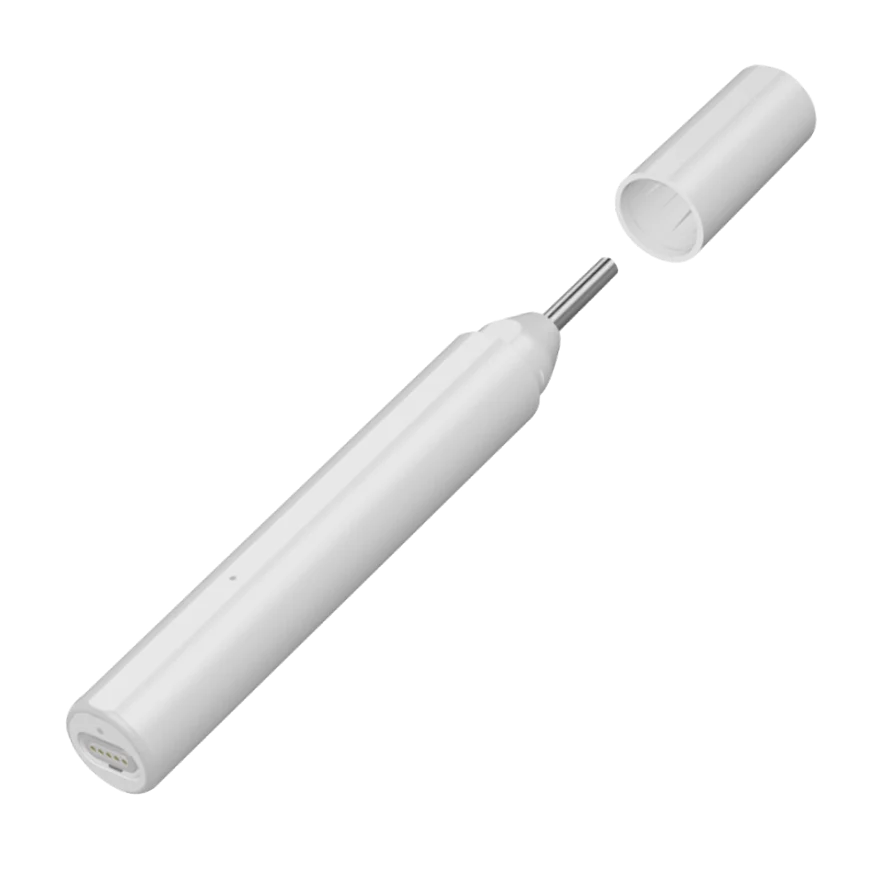
Video otoscopes allow you to quickly and easily examine the condition of the ear, throat, and nose by transmitting images in real time directly to the REMED.CARE mobile application.
It is a personal assistant for both independent use and a useful tool for online consultations with a doctor, allowing you to conduct online video examinations of the ear, throat, and nose without leaving your home or while traveling.
5 400 ₴ Original price was: 5 400 ₴.4 500 ₴Current price is: 4 500 ₴.
WHO also highlights prevention through HPV vaccination, quitting smoking, balanced nutrition, and physical activity. In my practice, I see how screenings save lives — for example, early detection of melanoma allows for removal without complications.
In summary, WHO-recommended cancer screenings are a simple investment in a long and healthy life. Don’t wait for symptoms — cancer often develops silently. Start with self-examination and professional testing.
I invite you to an online consultation! Download our app and book an appointment to create a personalized screening plan, analyze otoscope data, or schedule your next examination. Together, we’ll take care of your health! 💪













 We use cookies