Intuitive eating is often presented as a universal solution for improving health and one’s relationship with food. However, from the perspective of evidence-based medicine and international clinical guidelines (WHO, ESPEN, NICE), this approach has clear limitations.
Let us explore when intuitive eating is not appropriate and why it is not included in standard medical nutrition protocols.
When intuitive eating is not suitable
Limitations in certain medical conditions
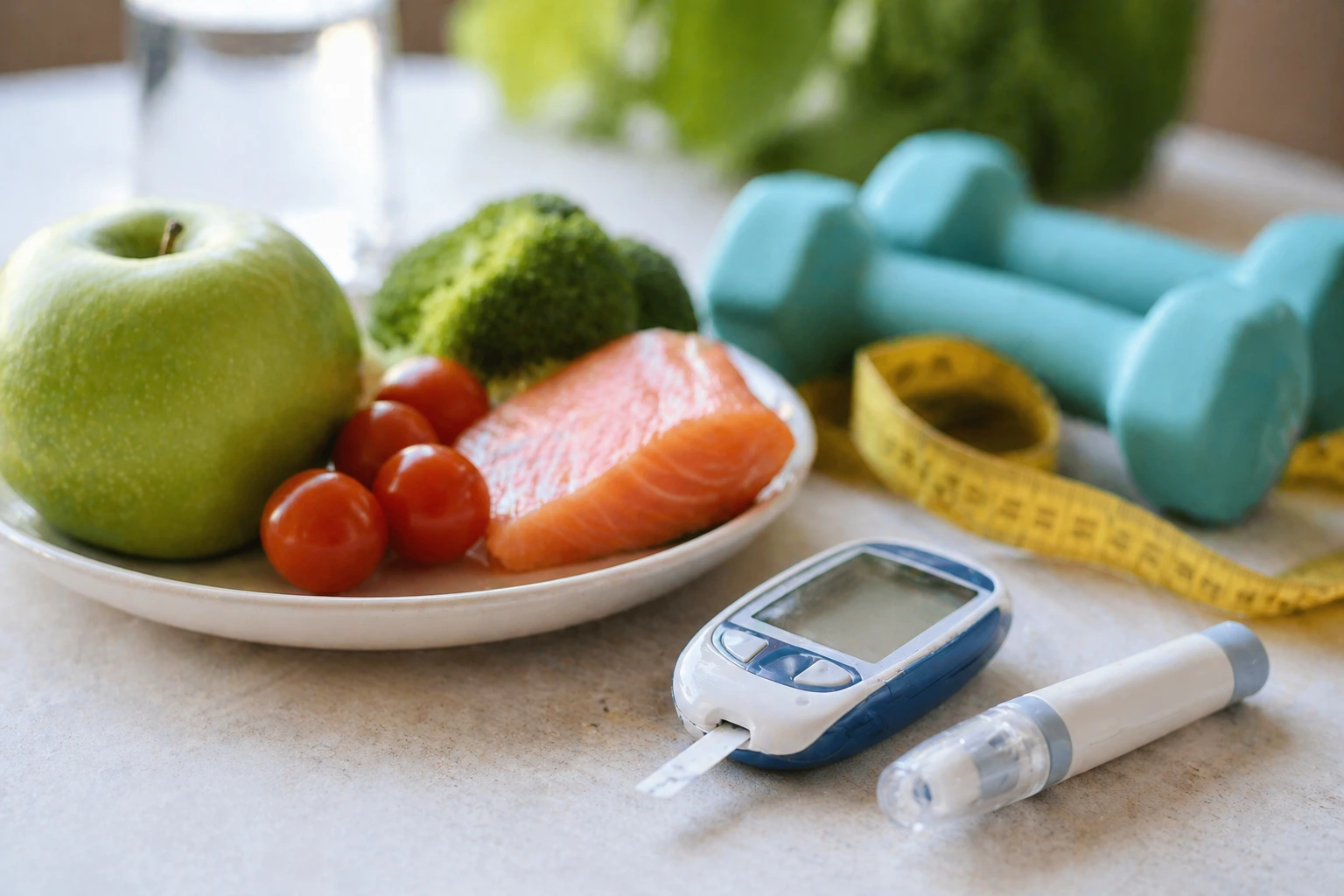
For individuals with serious medical conditions — such as diabetes, food allergies, gastrointestinal diseases, autoimmune or endocrine disorders — intuitive eating cannot be used as a primary or standalone approach.
In these cases, nutrition must follow clinical protocols that include:
- control of carbohydrate intake and glycemic load;
- precise dosing of macro- and micronutrients;
- calorie adjustment based on the patient’s condition.
Without structured medical guidance, intuitive eating may be ineffective and potentially harmful.
Difficulty for some individuals
Not everyone is able to accurately interpret hunger and satiety signals. This is particularly common among people with a long history of restrictive dieting, chronic food control, or cycles of overeating and restriction.
In such cases, physiological signals are often suppressed or distorted, making intuitive eating an unreliable tool.
Trend or scientific approach?
Intuitive eating has a scientific basis primarily within psychodietetics. Its effectiveness has been shown in improving psychological relationships with food, reducing anxiety, and decreasing food-related restrictions.
However, it is not a universal solution. Intuitive eating is not part of standard medical nutrition therapy and cannot replace structured dietary recommendations.
What is important to understand
Intuitive eating:
- does not ensure accurate control of protein, fat, and carbohydrate intake;
- does not guarantee adequate daily caloric intake;
- does not allow objective assessment of nutritional sufficiency;
- may lead to excessive sugar intake and macronutrient imbalance.
Eating solely “by feeling” does not reliably ensure that the body receives what it needs for health, recovery, and stable metabolic function.
A rational approach must be comprehensive
An effective nutrition strategy begins with a proper health assessment. If you are looking for a safe alternative to universal trends and want personalized, medically grounded recommendations, contact the specialists at Remed for an online consultation — without queues or unnecessary stress.














 We use cookies