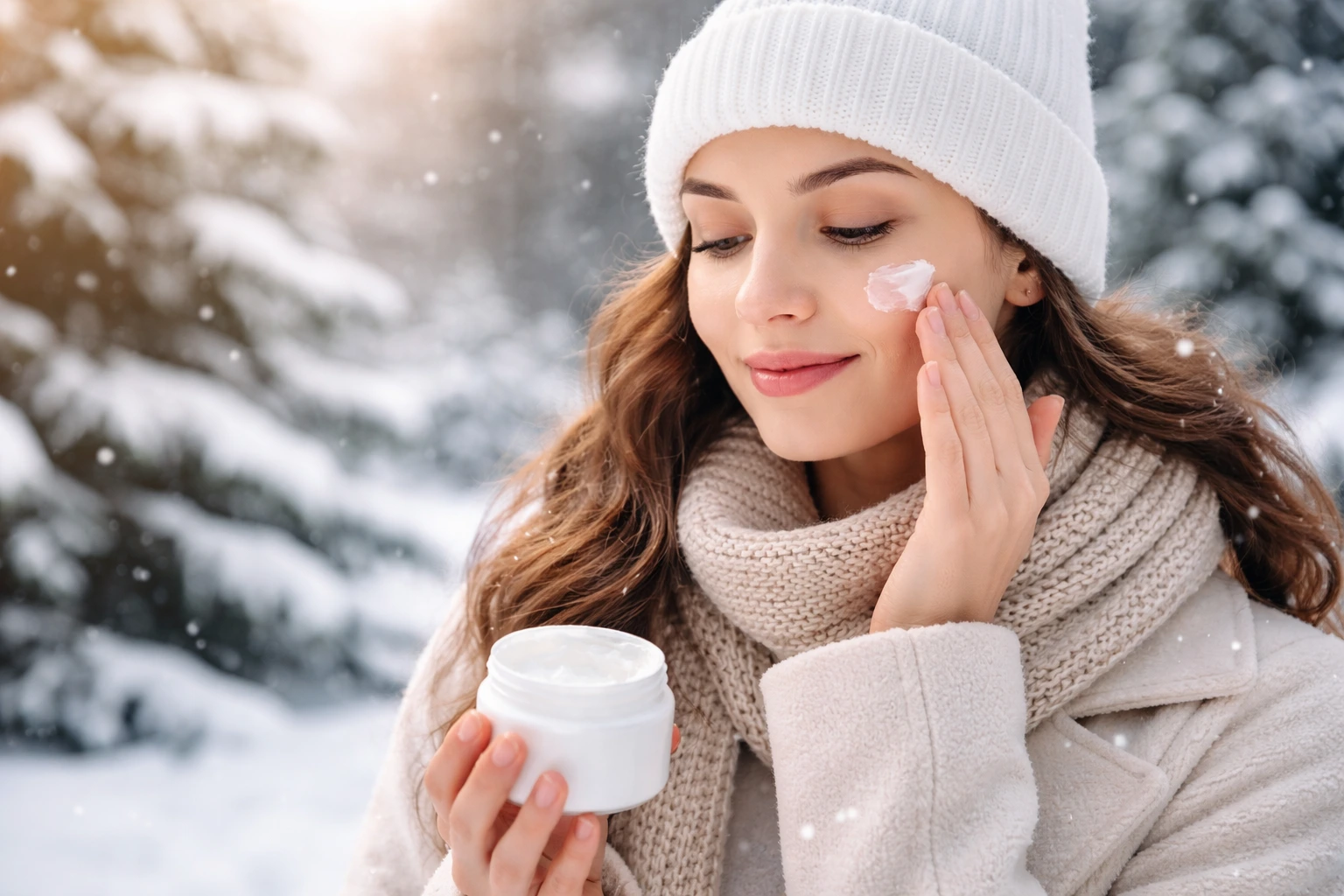
Winter creates specific challenges for the skin. Cold temperatures, wind, dry indoor air, and sudden temperature changes disrupt the skin’s barrier function. As a result, dryness, irritation, increased sensitivity, and flare-ups of chronic dermatological conditions may occur.
Effective winter skincare should be systematic, individualized, and based on evidence-based medicine. This approach helps reduce the risk of complications and maintain healthy skin throughout the colder months.
Maintaining the Skin Barrier
The skin barrier plays a crucial role in protecting against moisture loss and the penetration of irritants and allergens. During winter, supporting this barrier becomes especially important.
Regular use of emollients and occlusive products, such as creams and ointments containing ceramides, glycerin, and oils, is recommended. Studies by the American Academy of Dermatology (AAD, 2022) show that consistent emollient use reduces skin dryness and the risk of eczema.
Moisturizers should be applied at least twice daily, as well as after any contact with water. It is also important to avoid harsh cleansers and alcohol-based products that disrupt the lipid balance of the skin.
Skin Cleansing
Cleansing during winter should be as gentle as possible. Mild cleansers with a pH of 5.5–6.0 are preferred.
Prolonged hot showers and baths (above 38°C / 100°F) should be limited, as they damage the lipid barrier and increase transepidermal water loss (NICE, 2021). For sensitive or atopic skin, oil-based or milk cleansers are especially suitable.
Moisturizing
Moisturizing is an essential part of daily winter skincare. Products containing hyaluronic acid, panthenol, and allantoin help maintain adequate hydration of the epidermis.
For very dry skin, richer creams or ointments applied at night are particularly effective. Clinical studies (Journal of the European Academy of Dermatology, 2020) have shown that daily use of emollients can reduce transepidermal water loss by 35–40%.
Protection from External Factors
Before going outside in cold weather, exposed areas such as the face, hands, and lips require additional protection. Barrier creams formulated for winter conditions are recommended.
Even in winter, sun protection remains important. Snow reflects UV radiation, and low winter sun can contribute to photoaging. Sunscreens with SPF 30 or higher should be used. For lips, fragrance-free balms with SPF help minimize irritation.
Hand Care
Frequent handwashing and the use of alcohol-based sanitizers are among the main causes of dry, cracked hands in winter. After each wash, hand creams containing ceramides and glycerin should be applied.
In cases of severe dryness, overnight application of rich creams or ointments under cotton gloves can significantly improve skin condition (AAD, 2022).
Special Considerations for Dermatological Conditions
Patients with atopic dermatitis, eczema, or psoriasis often experience symptom flare-ups during winter. In such cases, increasing the frequency of emollient application and avoiding dry air and sudden temperature changes is essential.
If signs of inflammation appear, consultation with a dermatologist is necessary. Self-adjustment of topical steroids or antibiotics is not recommended. Using a humidifier to maintain indoor humidity at 40–60% can further support skin hydration.
Nutrition and Internal Support
Skin health is closely linked to overall health. Adequate water intake and a balanced diet rich in omega-3 fatty acids and vitamins A, C, and E support the skin’s lipid barrier.
A Cochrane review (2021) confirmed that nutrients supporting the skin barrier help reduce dryness and improve skin elasticity.
Conclusion
Winter skincare should be regular, personalized, and evidence-based. The key principles include maintaining the skin barrier and hydration, gentle cleansing, protection from cold and UV exposure, and timely medical consultation for chronic skin conditions.
Following these recommendations helps keep the skin healthy, comfortable, and resilient throughout the winter season.
If dryness, irritation, or flare-ups worsen during winter, do not delay seeking professional advice.
Online consultations with Remed dermatologists allow timely assessment of your skin condition, personalized skincare recommendations, and treatment adjustments — conveniently and without visiting a clinic.
👉 Book an online consultation with a Remed doctor and take care of your skin this winter.














 We use cookies