Healthy eating in childhood is one of the key factors for proper physical and psycho-emotional development. A child’s body grows rapidly, so it requires enough energy in the form of proteins, fats, carbohydrates, vitamins, and minerals. As an endocrinologist and family doctor, I often remind parents: forming healthy eating habits early in life is the best investment in a healthy future.
Balance of essential nutrients
A child’s diet should be varied and well-balanced.
The most important components:
Proteins. Essential for muscle and bone growth, immune system development, and brain function. Sources: meat, fish, eggs, dairy products, legumes. Children need protein at every main meal.
Fats. Healthy fats support the nervous system and the absorption of fat-soluble vitamins (A, D, E, K). Good sources include avocado, nuts, seeds, vegetable oils, and fatty fish. Trans fats and fried foods should be avoided.
Carbohydrates. The main source of energy for an active and growing child. It’s important to prioritize complex carbohydrates — whole grains, vegetables, fruits, and whole-grain bread — and avoid “quick sugars” such as sweets, sodas, and pastries.
Eating schedule
Regular meals help stabilize blood sugar, improve metabolism and digestion, support weight control, and prevent overeating. They also maintain stable energy levels, improve concentration and cognitive function, strengthen the immune system, reduce stress, support overall well-being, and lower the risk of chronic diseases (diabetes, cardiovascular conditions).
Three balanced meals based on the healthy plate concept + 1–2 healthy snacks is the optimal schedule for most children.
Breakfast is essential, as it provides energy and supports cognitive performance.
Snacks should be healthy: fruits, yogurt, nuts, berries, cheese, or hummus with vegetables.
Vitamins and minerals
Especially important in childhood:
- Calcium and vitamin D — for bone growth (dairy products, broccoli, salmon, egg yolk, fortified foods).
- Iron — for anemia prevention (meat, buckwheat, spinach, legumes).
- Iodine — for thyroid function (seafood, iodized salt).
- Omega-3 fatty acids — for brain and vision development (fish, flaxseed, walnuts).
Most children receive enough micronutrients from a high-quality diet, so supplements should be used only when necessary and after consulting a doctor.
Limiting salt, sugar, and processed foods
- Excess salt increases the risk of future hypertension.
- Too much sugar promotes obesity, insulin resistance, and tooth decay.
- Fast food, sausages, chips, and sugary drinks contain harmful fats, flavor enhancers, and preservatives.
Parents should not only limit such foods but also model healthy eating themselves.
Hydration matters too
The main drink for a child is water. Juices, sweet teas, sodas, and energy drinks should be minimized. Even natural juices are high in fructose — whole fruits are a better alternative.
Developing healthy habits
Children copy adults, so it’s helpful to:
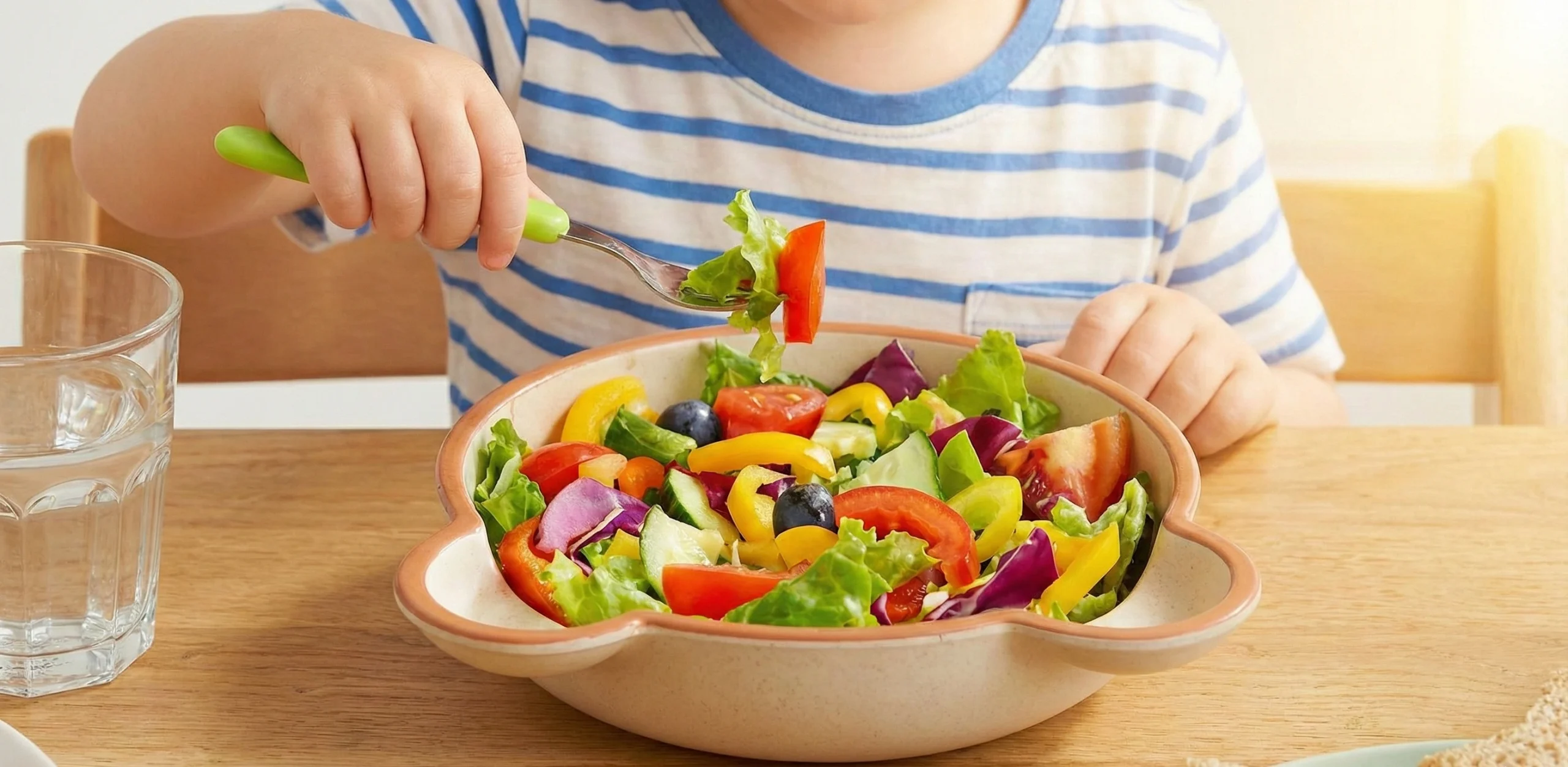
- Eat together at the table without gadgets.
- Offer new foods multiple times without pressure.
- Involve the child in cooking.
- Praise healthy choices rather than criticize undesirable ones.
Proper nutrition in childhood lays the foundation for a healthy and active life. And if you want to make sure your child’s diet is balanced and meets their needs, consult the doctors at Remed.care — we’ll take care of your child’s health together.














 We use cookies