Seasonal exacerbation is a condition in which symptoms of a chronic disease that were previously in remission worsen under the influence of environmental, biological, or physiological factors.
Most often, such flare-ups occur twice a year — in March–April and September–October. During these transitional periods, the body experiences increased stress, and its adaptive mechanisms may become less effective. Below, we explain why this happens and how to prepare in advance.
Why the Body Struggles During Seasonal Transitions
The key mechanism behind seasonal exacerbations is desynchronosis — a disruption of biological rhythms caused by changes in daylight duration. This triggers a cascade of physiological responses.
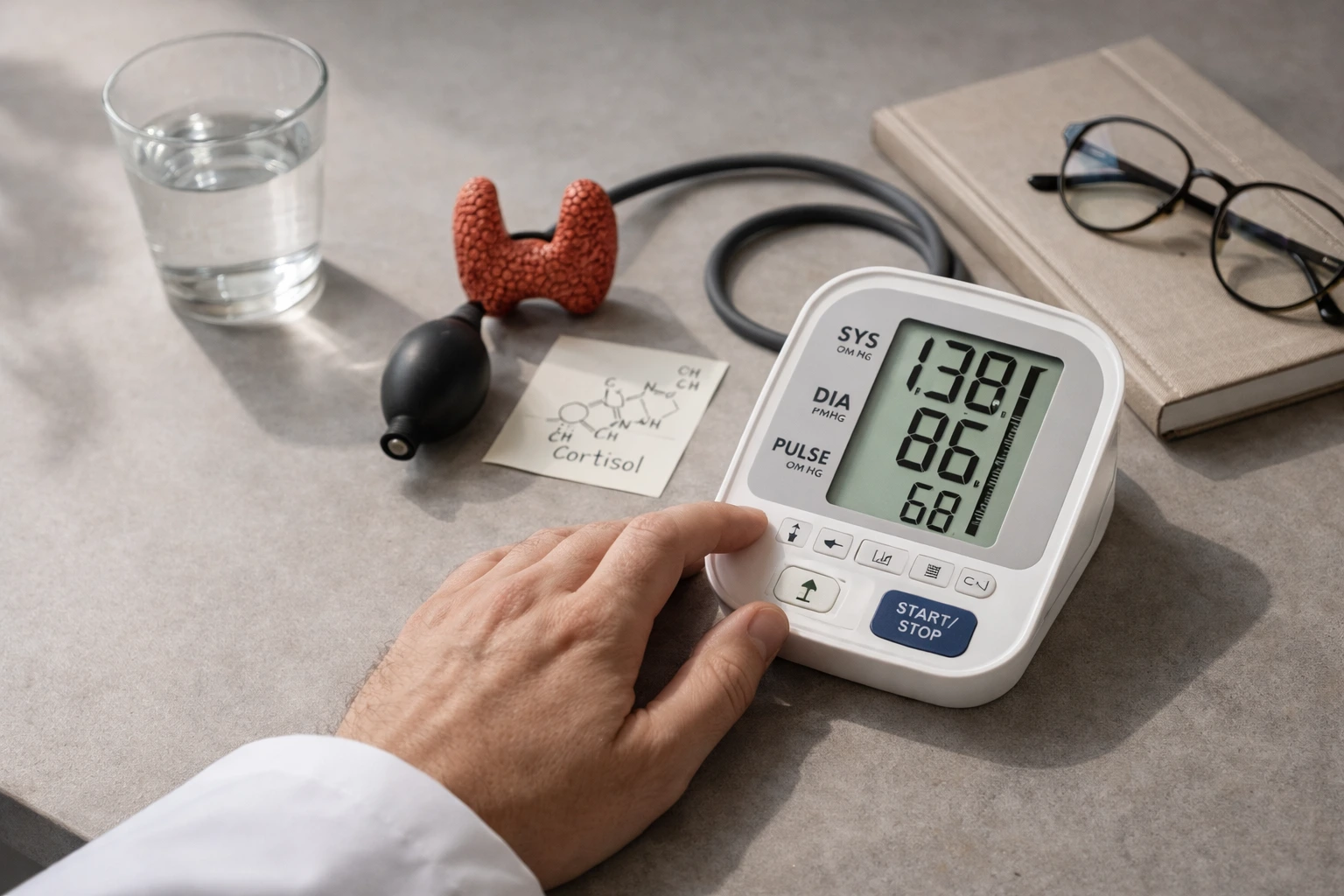
First, hormonal balance shifts. Levels of cortisol (the stress hormone) and melatonin change, directly affecting immune function and stress resistance.
Second, vascular reactions intensify. Fluctuations in atmospheric pressure force blood vessels to constantly adjust their tone, increasing the load on the cardiovascular system.
Third, gastric acidity changes. In spring and autumn, the stomach lining becomes more vulnerable, particularly to Helicobacter pylori, which may provoke flare-ups of gastritis or peptic ulcer disease.
Preventive Plan by Body System
Gastrointestinal Tract (Gastritis, Peptic Ulcer)
About two weeks before a typical flare-up period, a gentle regimen is recommended.
- Avoid foods that stimulate acid secretion, such as coffee, strong broths, spicy foods, and alcohol.
- Follow fractional meals — 5–6 small meals per day to reduce prolonged acid exposure.
- Preventive medication may be prescribed by a physician if indicated.
Cardiovascular System (Hypertension)
During seasonal transitions, the risk of hypertensive crises and vascular complications increases.
- Monitor blood pressure daily, in the morning and evening.
- Limit salt intake to 3–5 g per day to prevent fluid retention.
- Avoid sudden physical exertion and extreme temperature changes, such as saunas or cold plunges.
Musculoskeletal System (Arthritis, Osteochondrosis)
Joints are particularly sensitive to cold and humidity.
- Keep the lower back and large joints warm and dry.
- Maintain moderate physical activity — movement improves blood circulation and joint nutrition.
General “Anti-Stress” Medical Strategy
To support the immune system during seasonal changes, three core principles are recommended:
- Vitamin balance. Check vitamin D₃ and ferritin levels, as deficiencies often contribute to seasonal fatigue and immune suppression.
- Sleep hygiene. Falling asleep before 11:00 PM supports peak melatonin production, a powerful antioxidant and immune modulator.
- Elimination of chronic infection foci. Untreated dental issues or chronic tonsillitis may trigger systemic inflammation during transitional seasons.
When Self-Preparation Is Not Enough
Preventive measures should be replaced with medical consultation if the following symptoms occur:
- nighttime or “hunger” epigastric pain;
- shortness of breath during usual walking pace;
- morning joint stiffness lasting longer than 30 minutes;
- persistent insomnia, apathy, or reduced daily functioning.
Conclusion and Recommendation
If your chronic condition tends to worsen at the same time every year, it is best not to wait for symptoms to appear. Early consultation allows timely evaluation and therapy adjustment before deterioration.
Schedule an online consultation with a REMED doctor at any convenient time.
Telemedicine makes it possible to assess risks early, receive personalized recommendations, and prepare your body for seasonal changes calmly and effectively.
👉 Take care of your health in advance — without stress or queues.















 We use cookies