Fever is one of the most common symptoms of viral and bacterial infections. It’s a natural immune response — yet many myths about fever lead to improper treatment. Let’s break down the most widespread misconceptions from the perspective of evidence-based medicine.
Myth #1: You should lower a fever immediately
In reality, a temperature of 37.5–38°C (99.5–100.4°F) is a normal immune reaction. The body uses fever to slow down virus replication and activate protective cells.
You should lower the temperature if:
- it rises above 38–38.5°C (100.4–101.3°F)
- there is severe weakness, vomiting, or muscle cramps
- the person has chronic illnesses or is pregnant
- it’s a young child who poorly tolerates fever
👉 In most cases, doctors do not recommend reducing a fever below 38°C (100.4°F) if the patient feels generally well.
Myth #2: A high fever always means a dangerous illness
The number on the thermometer does not always reflect the severity of an infection.
- A child may have 39°C (102.2°F) with a typical cold.
- An adult may have only 37.2°C (99°F) while having a serious bacterial condition.
Doctors evaluate not only the temperature but also:
- accompanying symptoms (rash, vomiting, shortness of breath, etc.)
Myth #3: You can lower fever with alcohol or vinegar rubs
This method is dangerous and ineffective.
Alcohol or vinegar rubs may cause:
❌ poisoning from fumes
❌ chemical skin irritation
❌ blood vessel spasm
❌ uncontrolled heat loss
Evidence-based medicine recommends only safe cooling methods:
- cool fluids
- a well-ventilated room
- light clothing
- fever-reducing medications when indicated
Myth #4: If you have a fever, you need antibiotics
Antibiotics do not lower temperature and do not work against viruses.
They are prescribed only when:
- there are clear signs of a bacterial infection
- a doctor confirms the need
- tests support antibiotic therapy
Self-medicating with antibiotics → risk of resistance, allergies, and complications.
Myth #5: Fever is harmful and must be reduced at all costs
Mild fever plays a protective role:
- activates white blood cells
- slows virus replication
- helps the body recover faster
The goal is to monitor the condition — not to bring the temperature down to normal at any cost.
Myth #6: If a child feels hot, you should bundle them up
Over-covering can raise the temperature even higher.
Proper approach:
- ensure fresh air and plenty of fluids
- keep the room at 18–21°C (64–70°F)
Myth #7: You can guess the temperature without a thermometer
Even a doctor can only estimate temperature approximately. A difference of 0.5–1°C can change treatment decisions.
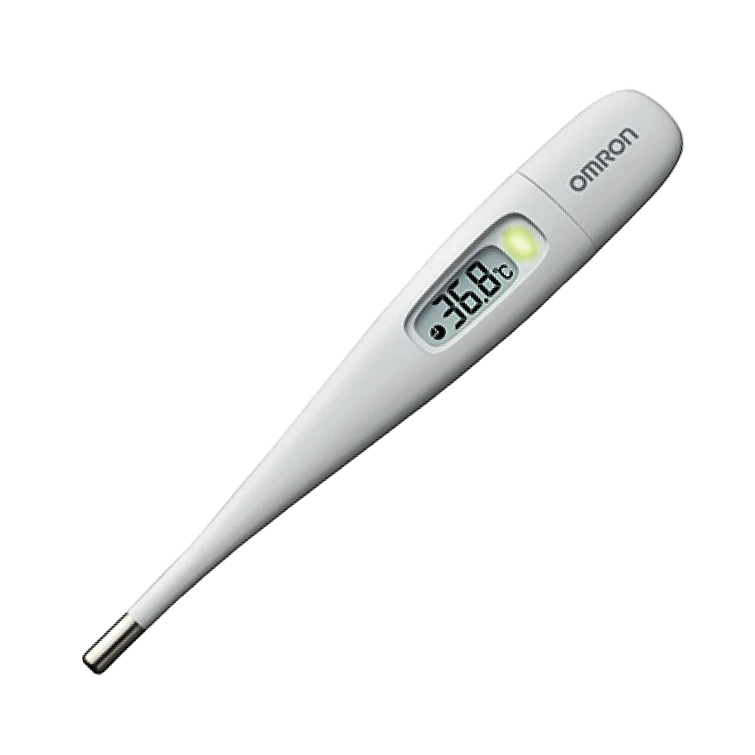
A reliable electronic thermometer is essential in every household.
Remed.care has developed a modern electronic medical thermometer that allows you to:
- quickly and accurately measure temperature in children and adults
- track changes throughout the day
- share readings with a doctor during an online consultation
This approach helps avoid mistakes, unnecessary worry, and improper treatment. You can learn more and purchase the device via the active link below.
When should you seek medical help urgently?
Online or in-person consultation is necessary if:
- fever lasts longer than 3 days
- there is severe headache, rash, vomiting, or seizures
- a baby under 3 months has 38°C (100.4°F) or higher
- fever does not respond to medication
- there is difficulty breathing or confusion
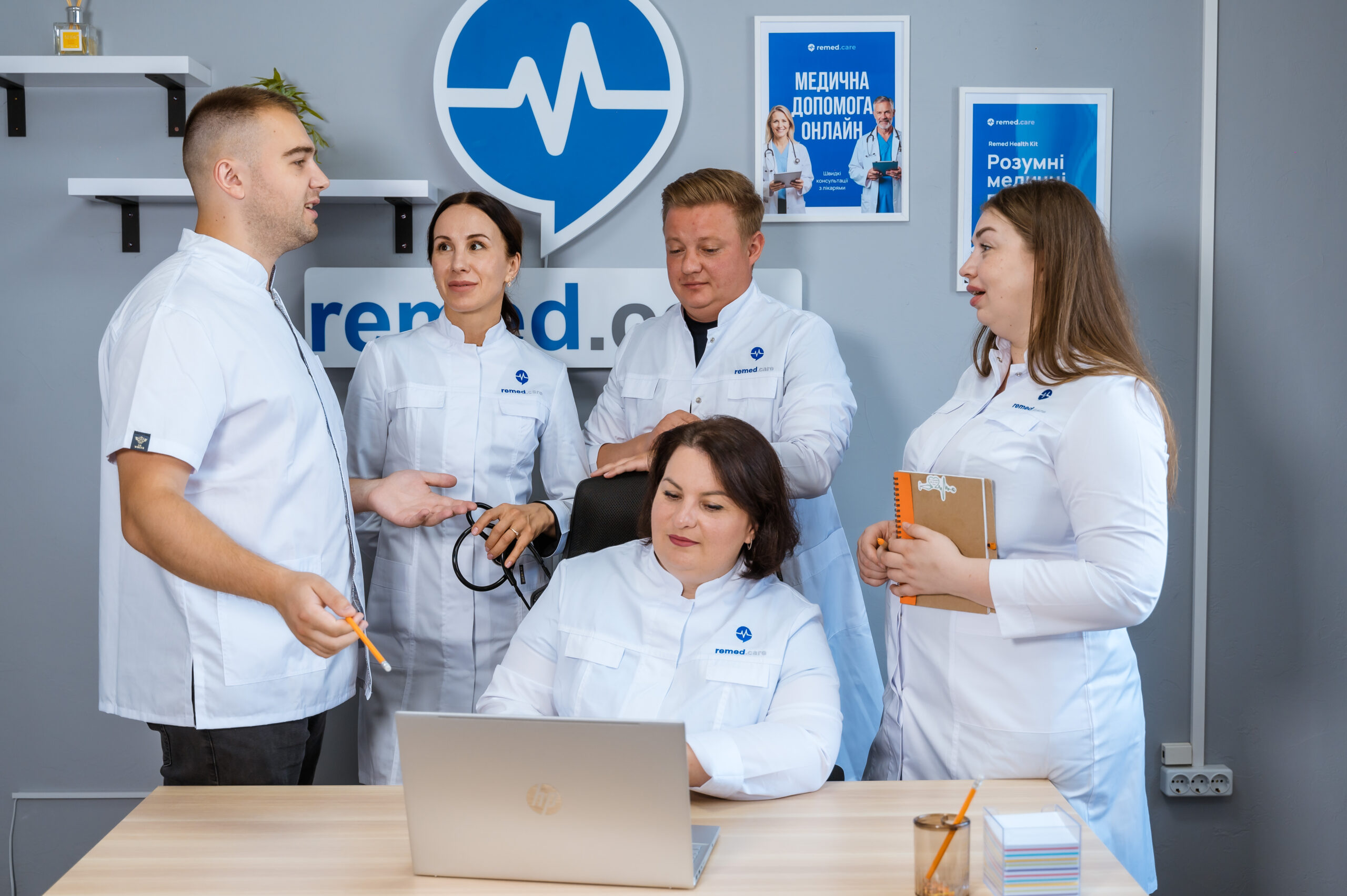
Online Doctor Consultation via Remed.care
Through the Remed platform, you can:
- send thermometer readings
- show a rash or other symptoms via video
- receive a treatment plan
- get an electronic prescription if needed
Fever is not an enemy — it’s a natural defense mechanism.
The key is to measure it correctly, avoid unsafe methods, and seek medical help when necessary.
Modern telemedicine services and home devices from Remed.care make the process convenient, accurate, and safe for the whole family.














 We use cookies