Insulin resistance is a condition in which the body’s cells become less responsive to insulin, a hormone that transports glucose from the bloodstream into cells for energy production. Under normal circumstances, insulin acts like a “key” that allows glucose to enter cells and be used as fuel.
In insulin resistance, this mechanism becomes impaired. Cells do not respond adequately to insulin, which leads to glucose remaining in the bloodstream. In response, the body compensates by producing higher levels of insulin to maintain normal blood sugar levels.
In the early stages, blood test results may still appear normal, but the metabolic imbalance has already begun to develop and gradually affects the entire system.
How does insulin resistance develop?
At the initial stage, the body adapts by increasing insulin production. The pancreas works harder to keep blood glucose within a normal range, which is why many people do not notice any symptoms.
Over time, however, cells become increasingly resistant to insulin, and the pancreas continues to operate under higher demand. If this process persists, the compensatory mechanisms begin to fail.
As a result, blood glucose levels start to rise, marking the transition toward prediabetes and, eventually, type 2 diabetes.
Who is at higher risk?
Insulin resistance can develop in anyone, but certain factors significantly increase the risk.
Excess body weight — particularly abdominal fat — is one of the strongest contributors. This type of fat is metabolically active and interferes with hormonal balance and insulin sensitivity.
A sedentary lifestyle, genetic predisposition, and increasing age also play important roles. Additionally, insulin resistance is more common in individuals with high blood pressure, abnormal lipid levels, polycystic ovary syndrome (PCOS), or a history of gestational diabetes.
This highlights that insulin resistance is often part of a broader metabolic imbalance rather than an isolated condition.
Are there symptoms?
One of the main challenges with insulin resistance is that it often develops without clear symptoms, especially in the early stages. A person may feel completely normal while metabolic changes are already occurring.
In some cases, indirect signs may appear. These include darkened skin in areas such as the neck or underarms (acanthosis nigricans), the presence of skin tags, and difficulty losing weight despite lifestyle changes.
However, in most cases, insulin resistance is detected only through laboratory testing.
How is it related to diabetes?
Insulin resistance is a key underlying mechanism in the development of type 2 diabetes.
When cells no longer respond effectively to insulin, glucose accumulates in the bloodstream. Initially, the body compensates by increasing insulin production, but this mechanism is not sustainable in the long term.
Over time, pancreatic function declines, and blood sugar levels begin to rise beyond normal limits.
This is why insulin resistance often precedes prediabetes and serves as an early warning sign for metabolic disease.
Why it matters
Insulin resistance is not only about blood sugar levels — it has a systemic impact on the body.
It is associated with an increased risk of cardiovascular disease, metabolic syndrome, non-alcoholic fatty liver disease, and other metabolic disorders.
It also affects hormonal balance, energy metabolism, and inflammatory processes in the body.
For this reason, insulin resistance should be considered an early indicator of broader health risks rather than a standalone issue.
What can be done
The encouraging aspect of insulin resistance is that it can be managed and, in many cases, improved.
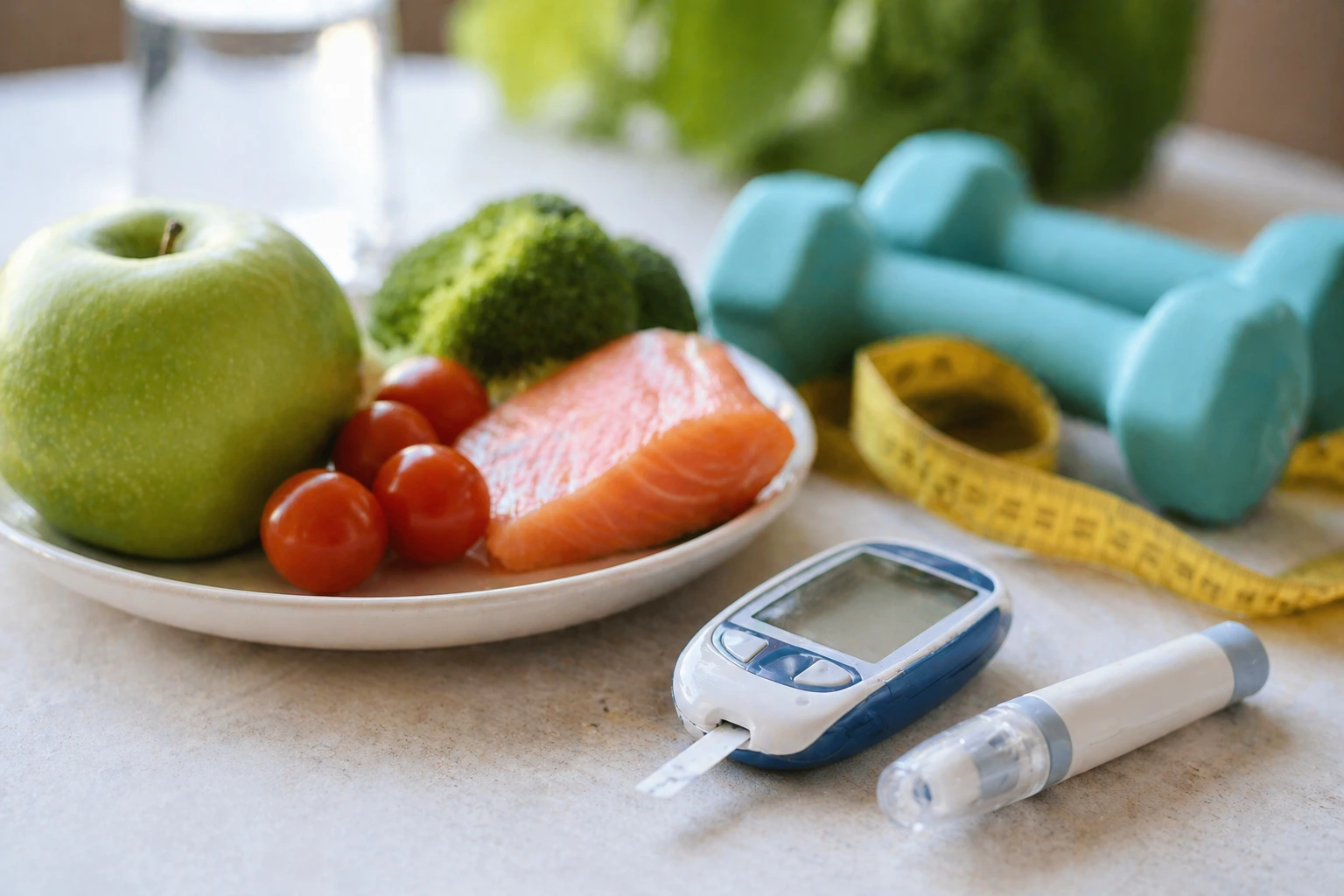
Lifestyle modifications play a central role. Regular physical activity enhances insulin sensitivity, while a balanced diet helps stabilize blood glucose levels.
Weight management is also important, as even modest weight loss can lead to significant improvements in metabolic health.
The key factor is consistency — sustainable changes are more effective than short-term interventions.
Conclusion
Insulin resistance often develops gradually and without noticeable symptoms, yet it is a fundamental driver of many chronic conditions.
Early detection and timely lifestyle adjustments can prevent progression to type 2 diabetes and reduce long-term health risks.
What to do next
If you have risk factors or concerns about your metabolic health, it is important not to delay evaluation.
With Remed, you can access an online consultation with a physician, assess your risk, undergo appropriate testing, and receive a personalized management plan.















 We use cookies